POMA Liberatutti
POMA ha lo scopo di mantenere acceso il fuoco dell’intelletto.

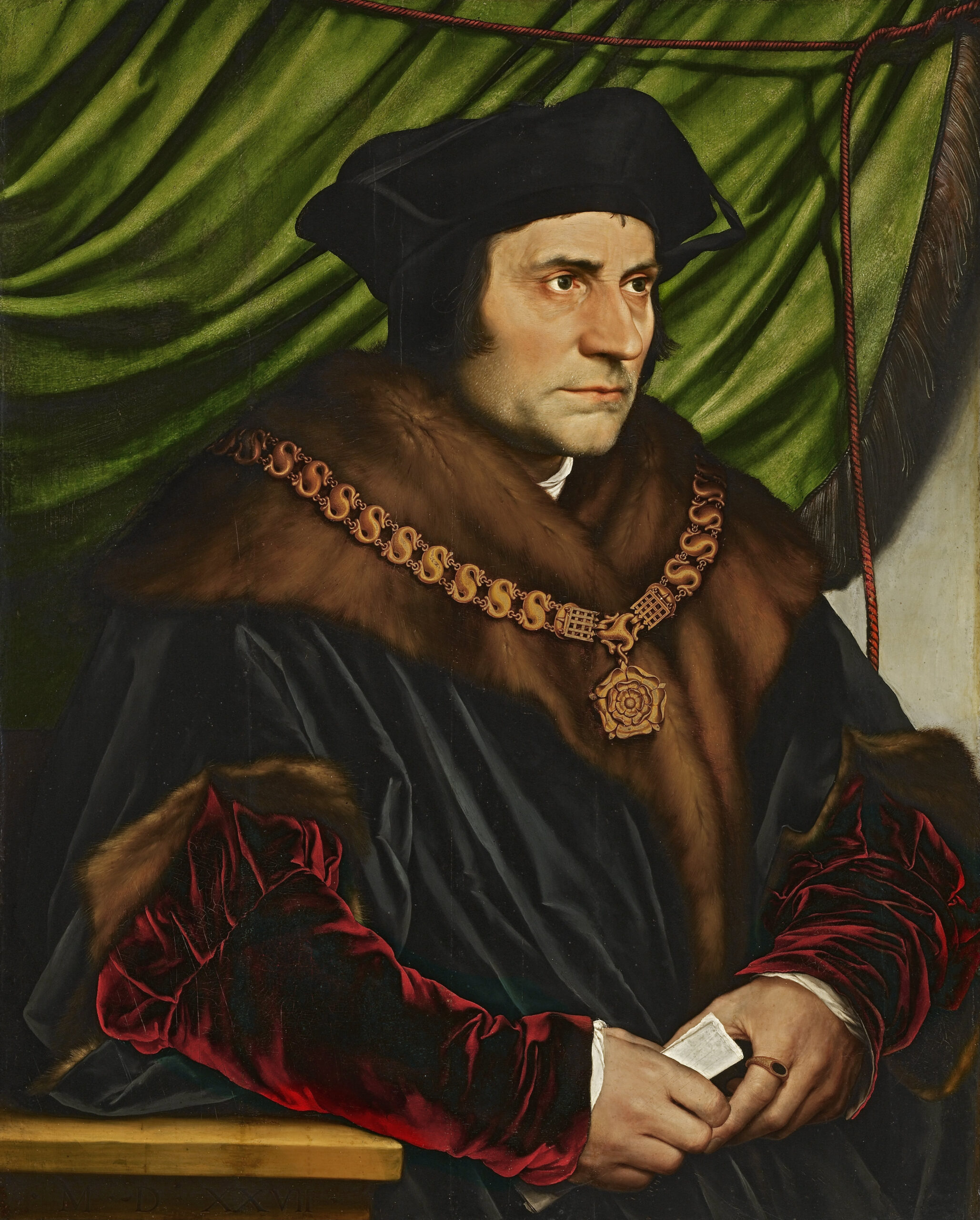
The trial of Sir Thomas More—known in Italian as Tommaso Moro—took place in 1535. It lasted only fifteen minutes and ended with the death sentence of an extraordinary
The trial of Sir Thomas More—known in Italian as Tommaso Moro—took place in 1535. It lasted only fifteen minutes and ended with the death sentence of an extraordinary man. Thomas More was a distinguished humanist, author of the renowned Utopia (1516), an accomplished jurist, and former Lord Chancellor of England.
His fall from favour began with his opposition to one of the most well-known marriages in history: that between Henry VIII and Anne Boleyn. To formalise this union, in opposition to the Papacy and the Catholic Church, England separated from Rome, leading to the Anglican Schism. Thomas More was charged with high treason for refusing to endorse the Act of Supremacy, which declared the king Supreme Head of the Church of England, and was consequently imprisoned in the Tower of London.
Despite his determined effort to remain silent about the reasons for his refusal, the king ultimately secured his execution through perjured testimony. Thomas More represents one of the earliest and most striking cases of a statesman torn by the conflict between conscience and duty—divided between moral integrity and political power. Reconstructing the reasons behind his refusal, he appears less as a religious martyr and more as a martyr for truth, and a distant precursor of conscientious objection.

