POMA Liberatutti
POMA ha lo scopo di mantenere acceso il fuoco dell’intelletto.

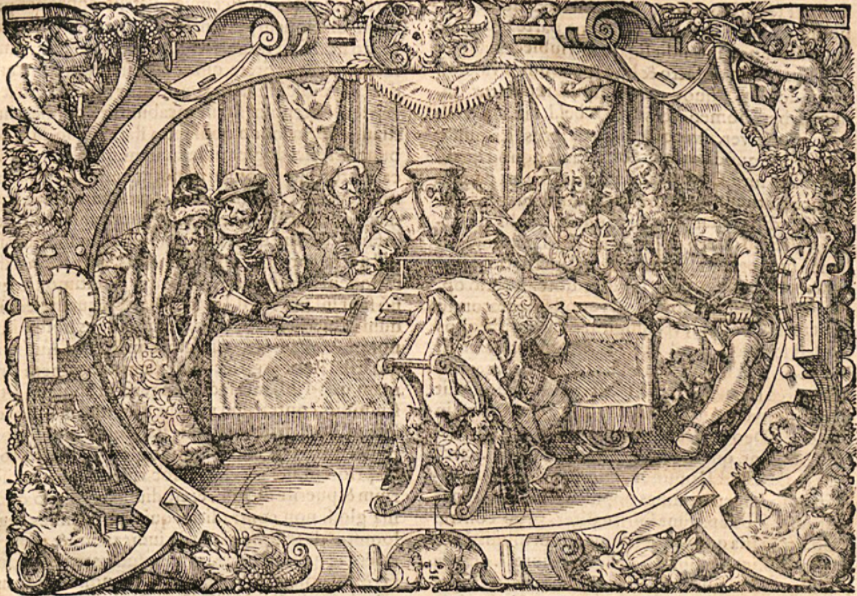
At a certain point in the history of medieval Europe, jurists enter the scene. They are scholars and interpreters, astute creators of a new world founded on the reading of
At a certain point in the history of medieval Europe, jurists enter the scene. They are scholars and interpreters, astute creators of a new world founded on the reading of an older one: the Roman Empire. By rediscovering and annotating the ancient books of Roman law, these men of unmatched intellectual acuity legitimise power through new formulas, new forms of discourse, and new procedures. Emperors, popes, and kings hasten to seek out these new learned figures, who provide their patrons with a formidable “technology of governance.” From that moment on, Force and Law become two sides of the same coin, exactly as the philosopher Pascal wrote: “Unable to make what is just strong, we have made what is strong just.” And yet Force and Law appear condensed into a single element: the word, technical language, the written law, of which jurists have always been the stewards.

