
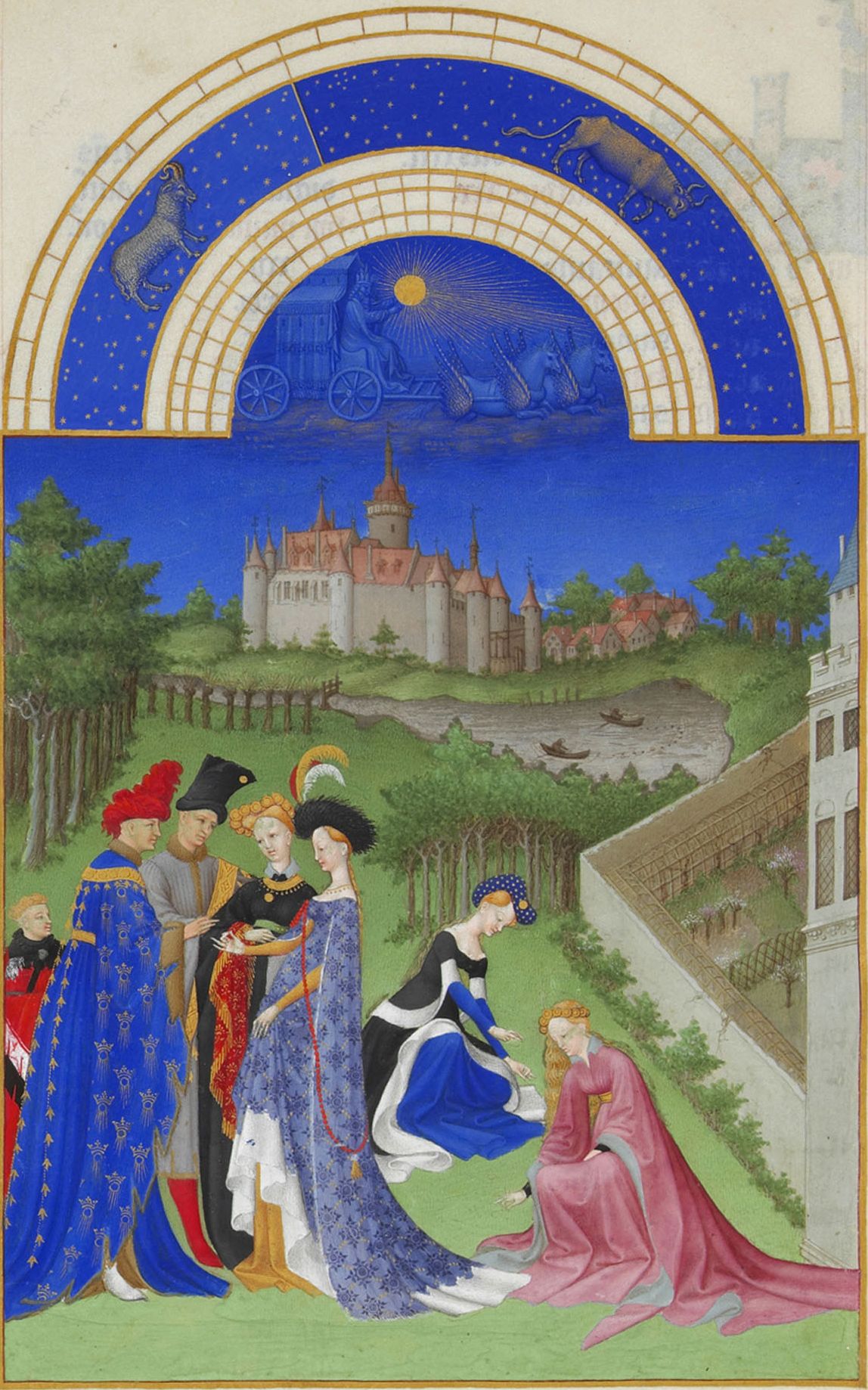
Marriage is a historical phenomenon and, as such, it has not remained unchanged over time. It has undergone transformations driven by economic, social, and cultural factors.
In Christian and Western Europe, however, marriage has shaped its identity largely through the doctrine of the Church. The Church is the only institution to conceive of marriage as a sacrament and to defend it according to the theology of “free consent.” Secular authorities, by contrast, have often sought to treat marriage as a matter to be determined solely by families, according to economic strategies. The history of marriage reveals numerous unexpected aspects: premarital sexuality, differing historical understandings of rape, the importance attributed to female consent in ecclesiastical courts, and the central role of the sacrament within the Church’s symbolic universe, in which Christ is understood as the Bridegroom.

