POMA Liberatutti
POMA ha lo scopo di mantenere acceso il fuoco dell’intelletto.

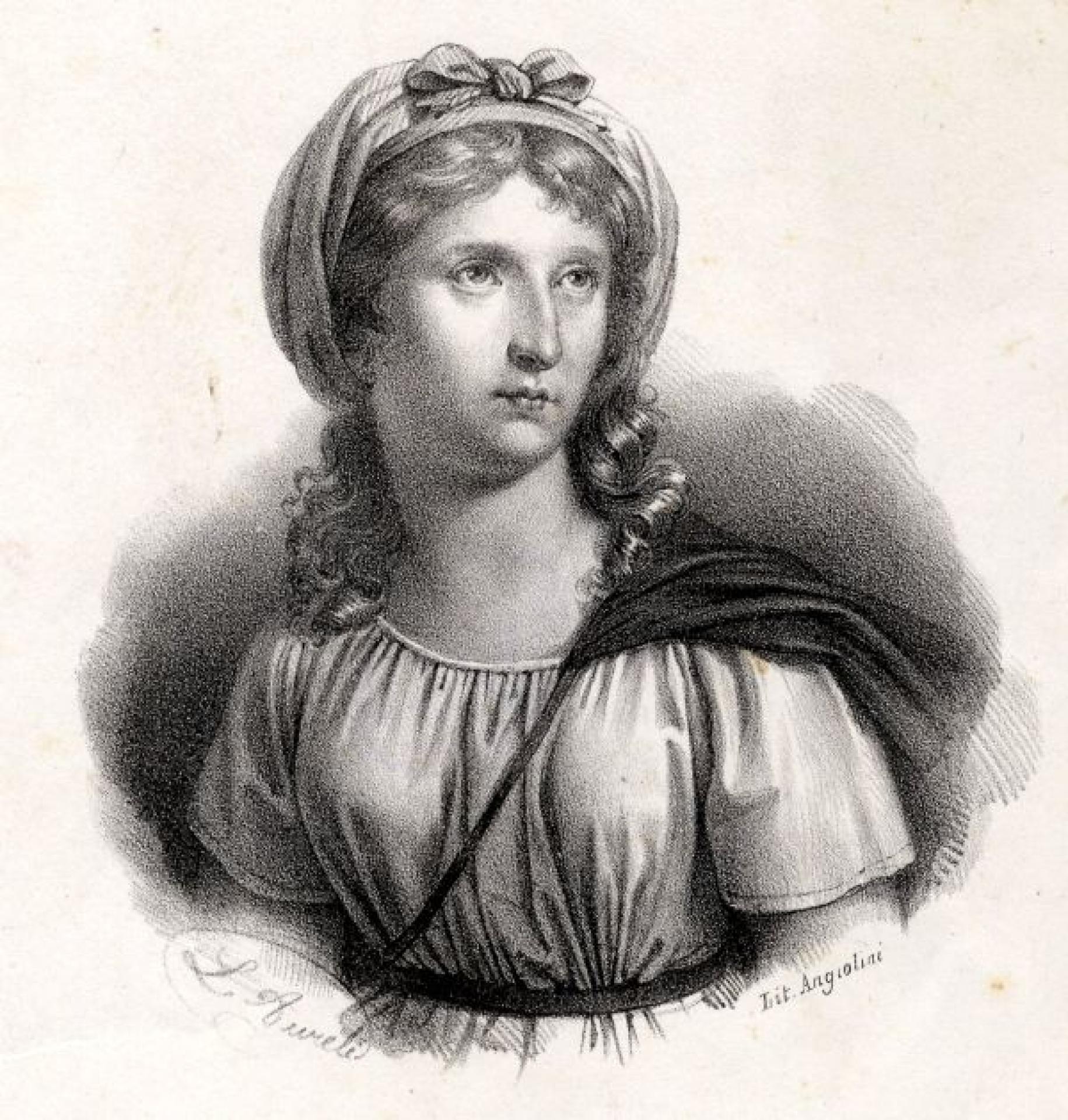
Some young actors from the theatre workshop of the Liceo Carlo Lorenzini in Pescia, led by Professor Jula Bevilacqua, will perform excerpts from the works of Clotilde Tambroni. These texts
Some young actors from the theatre workshop of the Liceo Carlo Lorenzini in Pescia, led by Professor Jula Bevilacqua, will perform excerpts from the works of Clotilde Tambroni. These texts have been reassembled into the form of a lecture-performance by the editor of the volume—presented here in its first national presentation—entitled CLOTILDE TAMBRONI, SCRITTI. L’ORAZIONE INAUGURALE, LE LETTERE A DIODATA SALUZZO ROERO E UN CARME (1792–1806), edited by Andrea Pellegrini (Arezzo, Helicon, 2026).
CLOTILDE TAMBRONI, SCRITTI.
L’ORAZIONE INAUGURALE, LE LETTERE A DIODATA SALUZZO ROERO E UN CARME
Bologna, between the late eighteenth and early nineteenth centuries. By secretly listening to the lessons that a former Spanish Jesuit lodger gave to his male siblings, Clotilde Tambroni—the daughter of a Bolognese cook and tenant farmer—learned Ancient Greek and Latin while attending to the traditionally female tasks of the household. When this secret was revealed to Manuel Rodriguez Aponte, she became his favourite pupil. So exceptional and accomplished was the young woman that she obtained, without holding a degree and as the first woman in history, the chair of Elements of the Greek Language at the University.
An Arcadian poet under the name Doriclea Sidonia and a professor of literature renowned throughout Europe, Clotilde composed several poems in Greek, maintained correspondence with the most distinguished scholars of her time, and, in defence of the humanities against Napoleonic imperial pragmatism, wrote and delivered at the Archiginnasio of Bologna the Inaugural Oration of the Academic Year 1806: a true and long-forgotten masterpiece.

