POMA Liberatutti
POMA ha lo scopo di mantenere acceso il fuoco dell’intelletto.

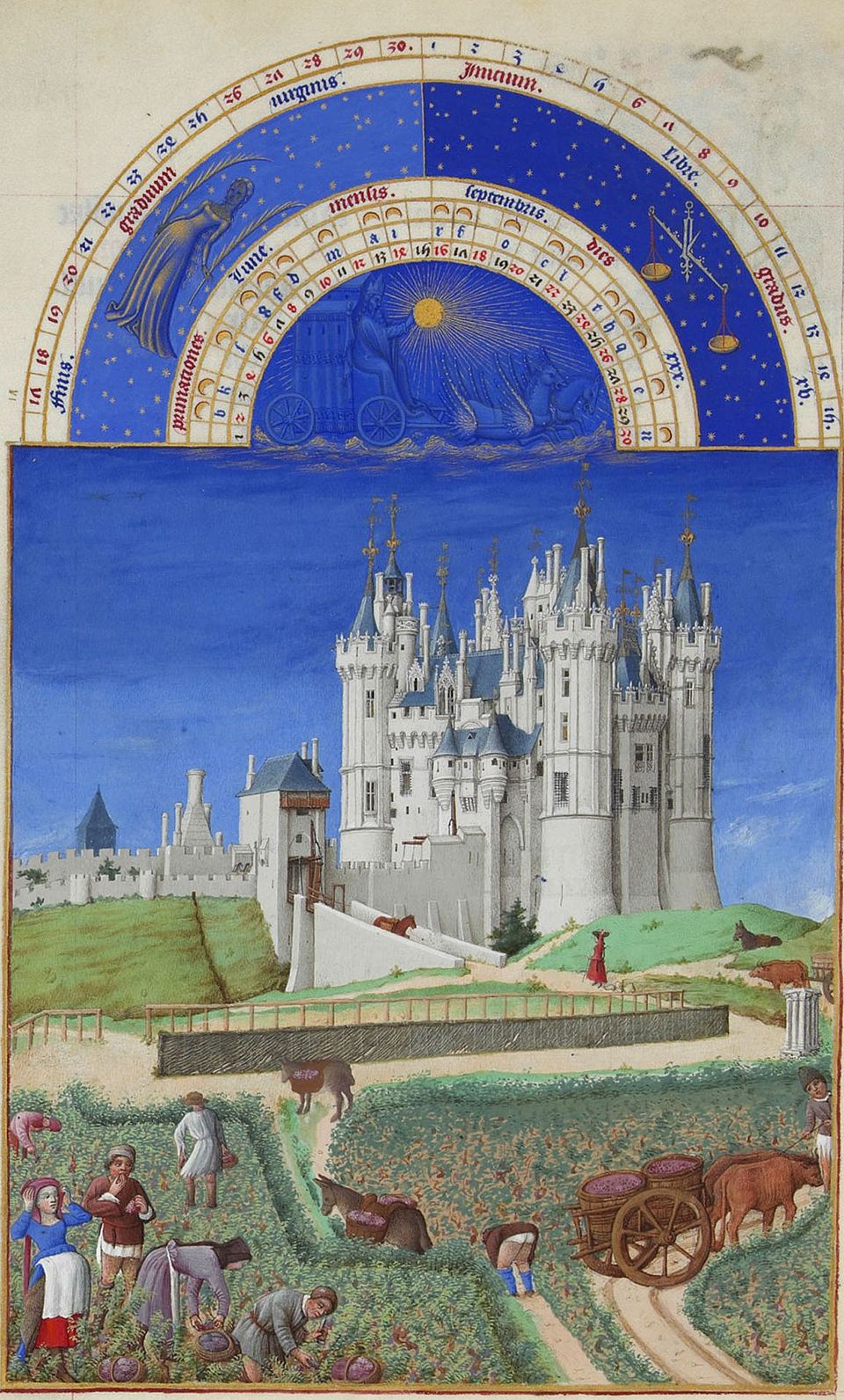
Feudalism, with its vassals, sub-vassals, and lesser vassals, occupies an enduring place in the school memories of every generation. There is hardly a history textbook that does not include the
Feudalism, with its vassals, sub-vassals, and lesser vassals, occupies an enduring place in the school memories of every generation. There is hardly a history textbook that does not include the feudal pyramid and the unforgettable serfs bound to the land. This highly hierarchical and distant society, commonly represented by knights and castles, is however one of the many historical misconceptions that have proven difficult to dispel, having become deeply embedded in the collective imagination. Was Europe between the ninth and fourteenth centuries truly governed through this network of loyalties? And did it really remain static, like a monolith, until the French Revolution? Shedding light on what feudalism actually was reveals a complex and multifaceted reality, far more similar to our own than we might be willing to acknowledge.

